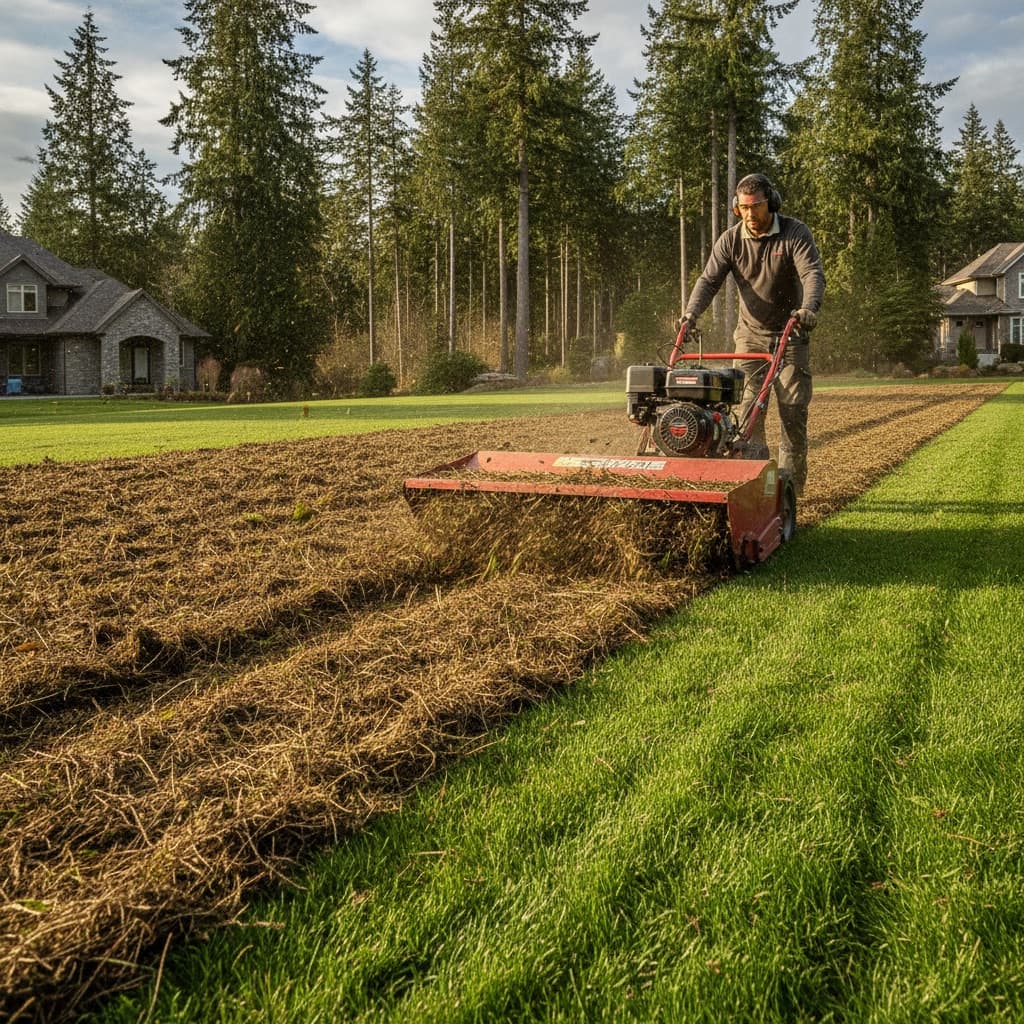
Dethatching & Thatch Removal in Victoria BC
Gentle on lawns, tough on thatch — we adjust blade depth to protect healthy grass. Serving Saxe Point, CFB Esquimalt area, and Greater Victoria.
- Starting price
- $150 per service
- Method
- Power rake or manual
- Best time
- March or September
- Contract
- None required
Every lawn produces thatch — a natural layer of dead grass stems, roots, and organic debris that accumulates between the soil surface and the green blades you see. A thin layer (under half an inch) is actually helpful. But in Greater Victoria's mild, wet climate, thatch builds up faster than it breaks down. Our cool winters rarely freeze deep enough to help decompose that organic mat, and long rainy seasons keep it waterlogged instead of letting it dry out and decay.
We see this all the time on properties around Esquimalt — from older yards near Saxe Point to established lawns in the CFB Esquimalt area. If your grass feels bouncy underfoot and doesn't seem to respond to watering or fertilizer the way it should, thatch is likely the culprit.
How to tell if your lawn needs dethatching
Victoria's mild, wet winters create perfect conditions for thatch buildup — especially in shaded yards and high-traffic areas.
The finger test
Push your finger down through the grass into the soil. If you hit a dense, fibrous mat before you reach dirt, that's thatch. Anything over ¾ of an inch is too much.
The spongy walk
Walk across your lawn in bare feet or flat shoes. A healthy lawn feels firm. A thatchy lawn feels soft and springy — almost like walking on a mattress.
Water pooling after rain
After rain or irrigation, water should soak in within a few minutes. If it sits on top or runs off even though the soil underneath is dry, thatch is blocking absorption.
Thin, patchy growth
Thick thatch starves grass roots of air, water, and nutrients. You'll often see thinning patches, increased moss, and a dull colour — even when you're doing everything else right.
Power raking vs. manual dethatching
We choose the right method based on your lawn's specific conditions — not a one-size-fits-all approach.
Manual dethatching
Uses a stiff-tined rake to pull thatch out of smaller areas or spots where buildup is moderate (under an inch). It's lower impact and works well for delicate sections — along garden bed edges, around young plantings, or in tight corners.
Power raking
Uses a motorized dethatcher with spinning vertical blades that slice through and lift the thatch layer across the full lawn. The right call for heavier buildup, larger properties, and lawns that haven't been dethatched in several years. The key is blade depth — we adjust for your specific lawn.
Why choose us
Gentle on lawns, tough on thatch.
Blade depth adjusted for your lawn
The difference between a good dethatching job and a bad one comes down to blade depth. We set our dethatcher to remove the dead, compacted thatch layer without tearing into healthy grass and root systems.
Walk-first assessment on every job
We walk the yard first, check thatch depth in a few spots, and then choose the approach and blade setting that matches the actual conditions — not what we used on the last job.
Best time to treat, not just any time
We won't dethatch during Victoria's dry summer months (July–August). Tearing out thatch on drought-weakened grass can cause real damage. We schedule treatment in the right growth windows.
Before & After
Real Transformations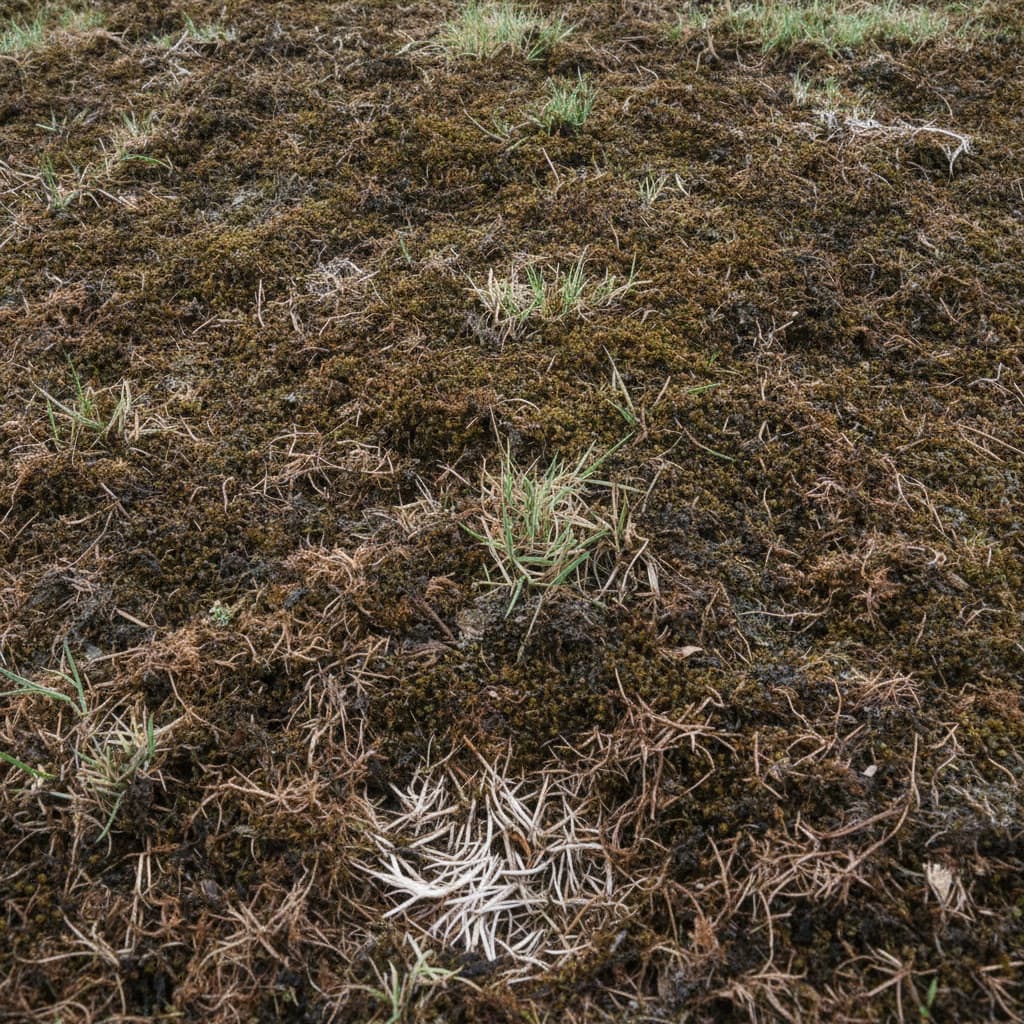
Spongy, thatch-covered lawn with choking moss before dethatching service in Esquimalt, Victoria BC
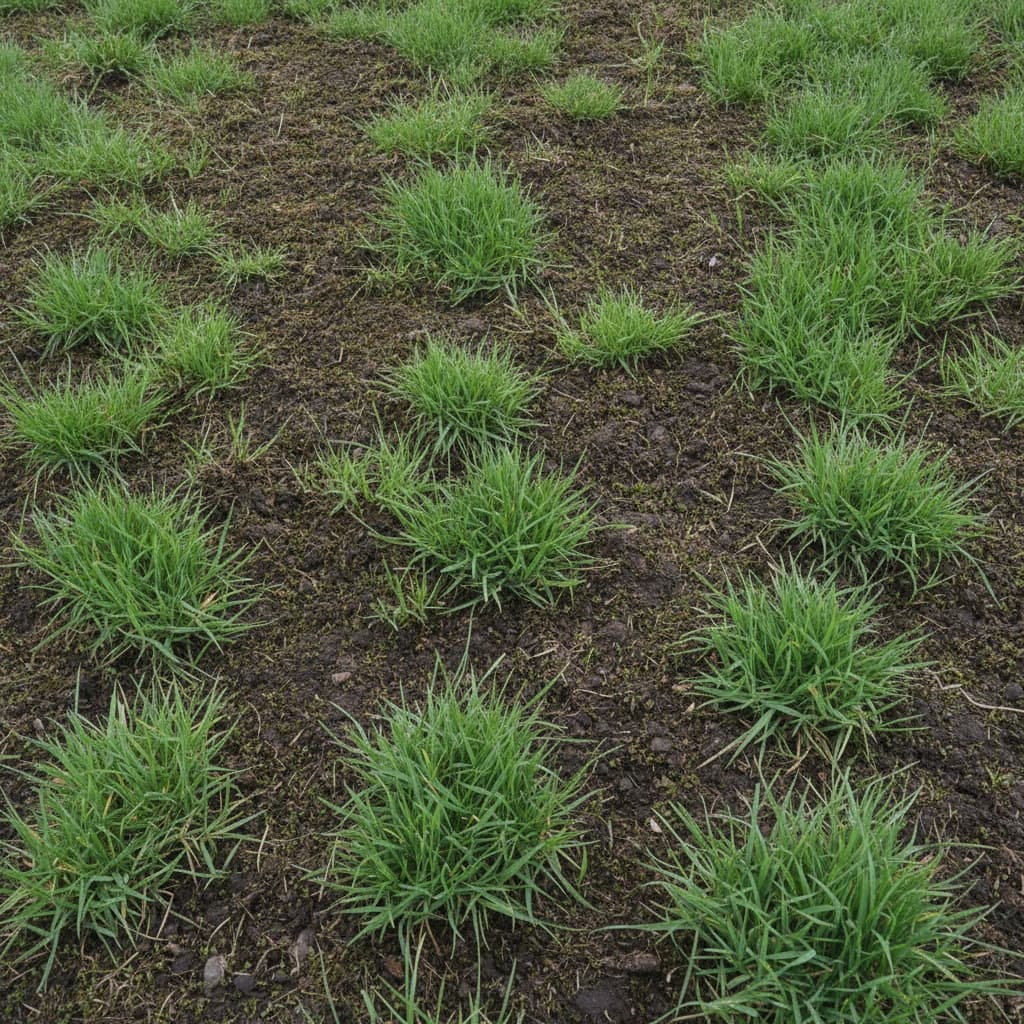
Healthy, open lawn breathing and recovering after professional dethatching by Coastal Miller Landscaping
Pair with these services
Dethatching works best as part of a full lawn care approach.
Lawn care and mowing
Keep things maintained week to week after dethatching with consistent mowing and edging.
Learn moreCore aeration
Pair dethatching with aeration for maximum effect — open channels for air, water, and roots.
Learn moreSpring & fall cleanup
Clear seasonal debris and tidy beds in the same visit while the crew is already on-site.
Learn moreFrequently asked questions
- How often should I dethatch my lawn in Victoria?
- Most lawns in Greater Victoria benefit from dethatching once a year — or every two years for well-maintained properties. If you also do core aeration regularly, you can sometimes stretch that interval because aeration helps break down thatch naturally. We'll let you know what makes sense for your yard.
- How much does dethatching cost?
- For an average residential lawn in Greater Victoria, dethatching typically runs between $150 and $400 depending on lawn size, thatch severity, and whether debris hauling is included. We provide free estimates, so you'll have an exact number before we start.
- Will dethatching damage my lawn?
- Your lawn will look a bit ragged immediately after — that's normal. The loose debris and exposed soil can seem alarming, but healthy grass recovers within two to three weeks when dethatching is done at the right time and depth. That's exactly why we adjust blade settings carefully rather than running one depth across the board.
- Can I dethatch my lawn myself?
- You can rent a power rake, but the results depend heavily on using the correct blade depth and making consistent passes. Setting it too deep is the most common DIY mistake, and it can pull up live grass along with the thatch. If your thatch layer is thin (under ¾ inch), a stiff rake may be all you need. For anything thicker, professional equipment and experience make a noticeable difference.
Get your lawn breathing again
Free estimates for dethatching across Greater Victoria. We'll assess your lawn and recommend the right approach before touching a thing.